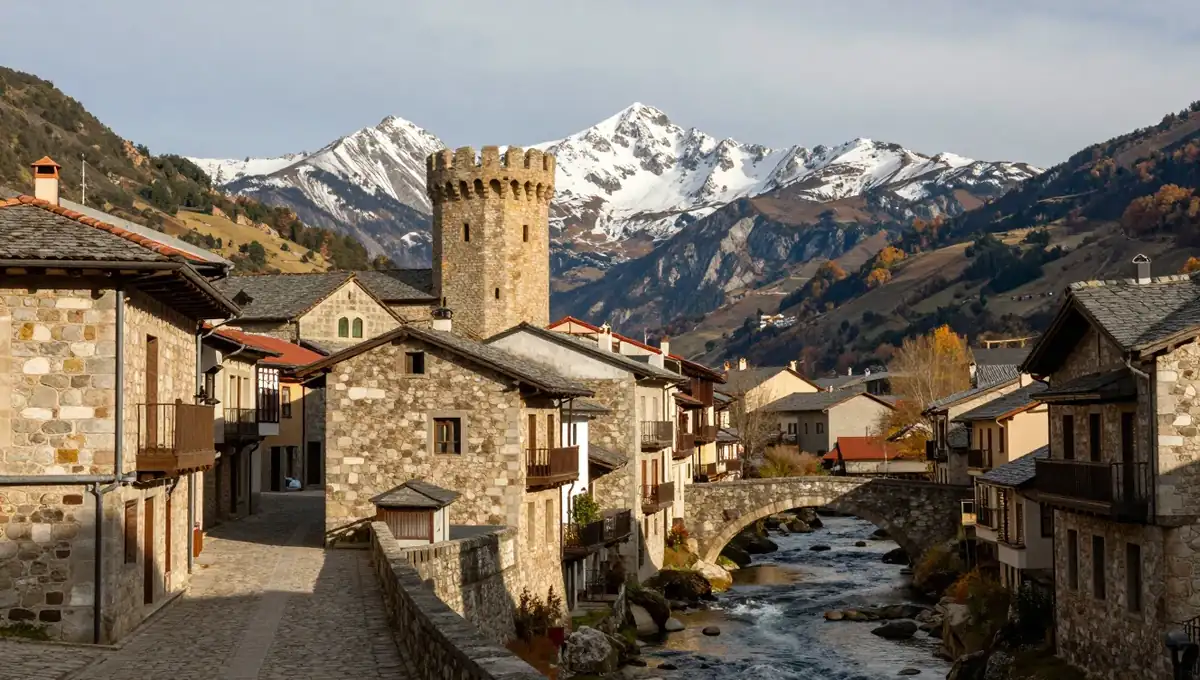
Pesaguero is a small village in the Bullón Valley, deep in Liébana, home to the Casa de la Naturaleza, run by the Red Cántabra de Desarrollo Rural (Cantabrian Rural Development Network). Its exhibition explains conservation from the inside: the real conflicts with livestock farming, attacks on cattle, prevention systems and the role everyone plays in coexistence.
It is the perfect visit after Proaza or Potes: if the big centres put a smile on your face, Pesaguero gives you the facts.
What the Pesaguero centre offers
The display combines panels and educational resources on the nature of Liébana and the brown bear: its biology, the censuses, and coexistence with extensive livestock farming, the great challenge of conservation in the Cantabrian Mountains.
The setting invites you to stay: the Bullón Valley, with its riverside forests, is one of the most peaceful nature routes in Liébana, ideal to enjoy with children.
Pesaguero: the municipality and its villages
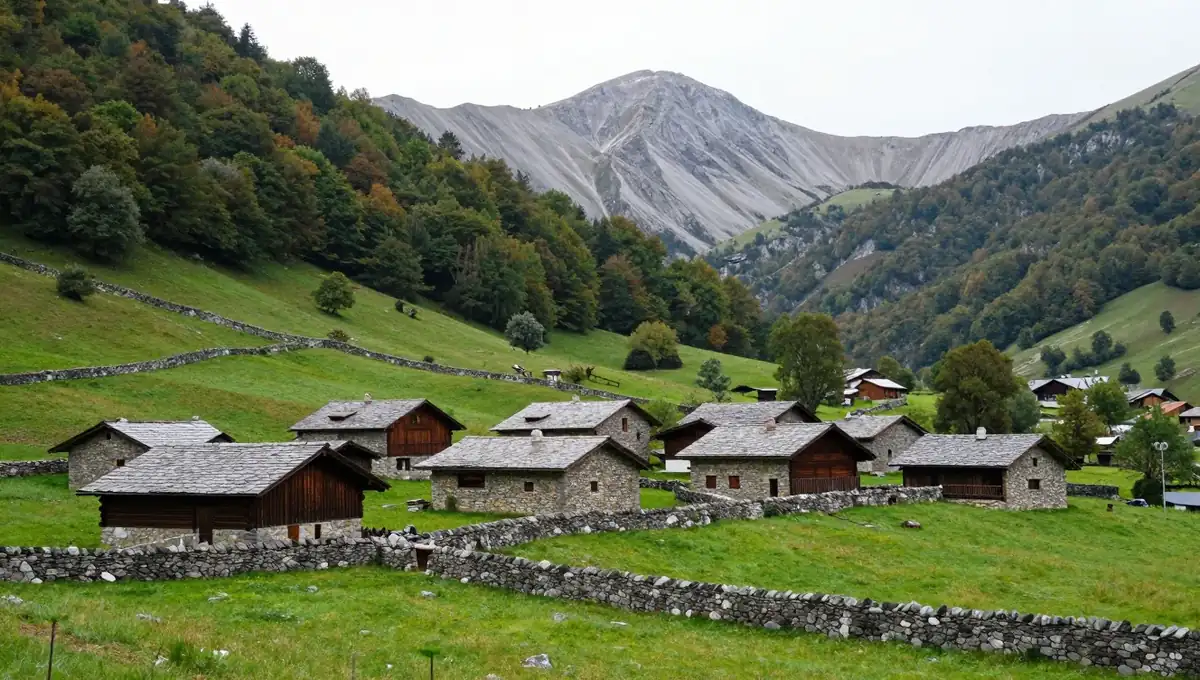
Pesaguero is one of the municipalities of Liébana, south of Potes, covering almost the whole Bullón river valley up to the passes into Palencia. It is not one village but a string of ten small hamlets —Pesaguero, Avellanedo, Barreda, Caloca, Cueva, Lerones, Lomeña, Obargo, Valdeprado and Vendejo— with stone houses, walled meadows and forest right up to the door.
It is the least touristy side of Liébana: no queues and no souvenir shops, just livestock, mountains and silence. Exactly what the bear needs, and what those who come to see it are looking for.
The bear in rural Cantabria
The Liébana region lives with the bear’s recovery naturally: shepherds coexist with the species using mastiff dogs and deterrent fencing, and nature tourism has become a complementary source of income.
Buying local produce — cheese, honey, orujo — and hiring local services is the best way to make conservation pay for those who make it possible.
Plan your day in Liébana
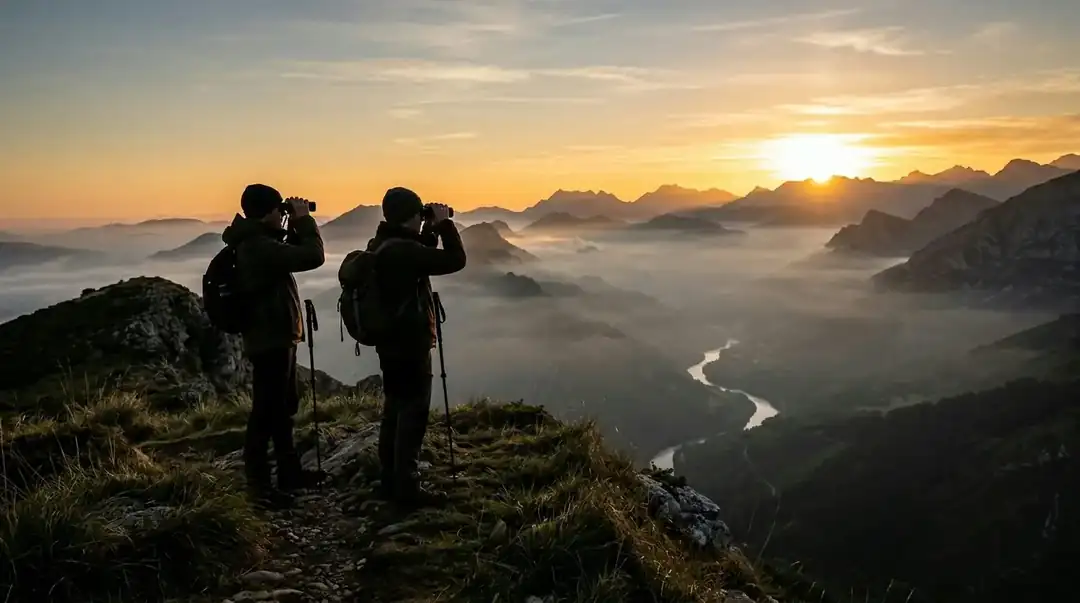
A typical day: in the morning, the Bear’s House of Potes and the historic centre; lunch in Potes or Tama; the afternoon in Pesaguero and along the Bullón route; and at dusk, a spotting attempt from the viewpoints on the road to San Glorio.